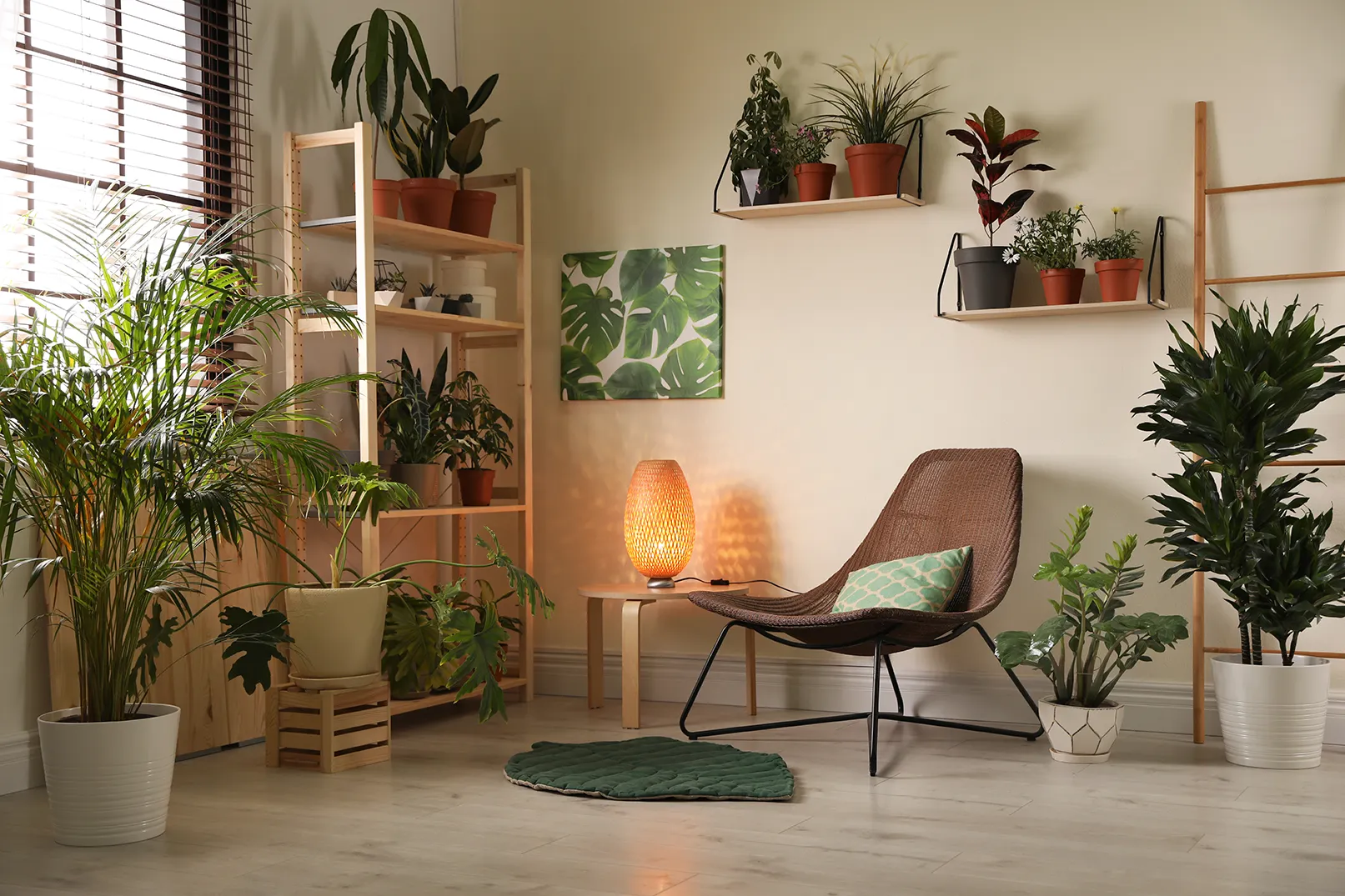
Designing an Indoor Functional Plant Display: Beauty Meets Purpose
Designing an Indoor Functional Plant Display: Beauty Meets Purpose
Nov 12, 2025
Bringing plants indoors isn’t just about adding greenery — it’s about creating a living design that enhances both your space and your well-being. A well-designed indoor plant display can purify the air, soften harsh lines, and inspire a calm, mindful atmosphere. But beyond aesthetics, your setup should also be functional — allowing your plants to thrive while fitting seamlessly into your lifestyle.
Here’s how to design an indoor plant display that’s as useful as it is beautiful.
1. Define the Purpose of Your Space
Before choosing containers or arranging plants, take a moment to consider how the space will be used.
- Kitchen: Focus on fresh herbs like basil, parsley, or mint that you can snip while cooking.
- Home Office: Choose air-purifying plants such as peace lilies or pothos to reduce stress and enhance focus.
- Living Room: Make a visual statement with tall plants like fiddle leaf figs, palms, or monstera.
- Bedroom: Go for calming plants like lavender or snake plants that release oxygen at night.
When you align your plant choices with your daily habits, your display becomes both functional and meaningful.
2. Light Is Your Design Foundation
Light determines not only where your plants will thrive but also how your space feels.
Observe how sunlight moves through the room during the day — it will guide where to place each plant.
- Bright, direct light: Ideal for succulents, herbs, and flowering plants.
- Indirect or filtered light: Perfect for ferns, peace lilies, or pothos.
- Low light corners: Snake plants, ZZ plants, and philodendrons thrive here.
If your space lacks natural sunlight, full-spectrum LED grow lights can double as design accents, adding warmth and balance.
3. Layer Heights and Textures
A visually pleasing plant display plays with height, shape, and texture.
- Combine tall floor plants with medium-sized table pots and trailing vines on shelves.
- Use materials like terracotta, bamboo, and ceramic to add variety and cohesion.
- Group plants in odd numbers (threes or fives) for natural flow.
Think of your display like interior décor — plants should complement your furniture and layout, not compete with them.
4. Choose Containers That Work Hard
Functional doesn’t mean boring. Choose containers that enhance both drainage and design.
- Self-watering planters: Perfect for busy schedules.
- Glass jars or hydroponic vases: Great for minimalist, soil-free setups.
- Hanging planters: Save space and draw the eye upward.
Match container colors and materials with your décor theme — earthy neutrals for a boho look, white ceramics for a modern minimalist feel, or natural wood tones for a Zen-inspired aesthetic.
5. Keep Maintenance in Mind
A plant display is only as functional as it is maintainable. Group plants with similar water and light needs together to simplify care. Use discreet trays or mats to catch excess water, and rotate plants occasionally for even growth.
Create a mindful care routine — watering, pruning, and misting can become grounding moments of calm amid daily life.
6. Add Personality and Flow
Your plant display is a reflection of your energy. Include personal touches like small stones, crystals, candles, or wellness symbols to create an intentional space. Arrange your plants where you’ll see them often — by your desk, next to a favorite chair, or near your meditation space — to enjoy their natural tranquility throughout the day.
Bringing It All Together
Designing a functional indoor plant display is about balance — between light and shadow, form and function, beauty and purpose. With the right combination of plants, containers, and thoughtful placement, your home can become a living sanctuary that supports both your body and mind.
Take a breath, pick your first plant, and begin designing your Zen space — one leaf at a time. 🌱